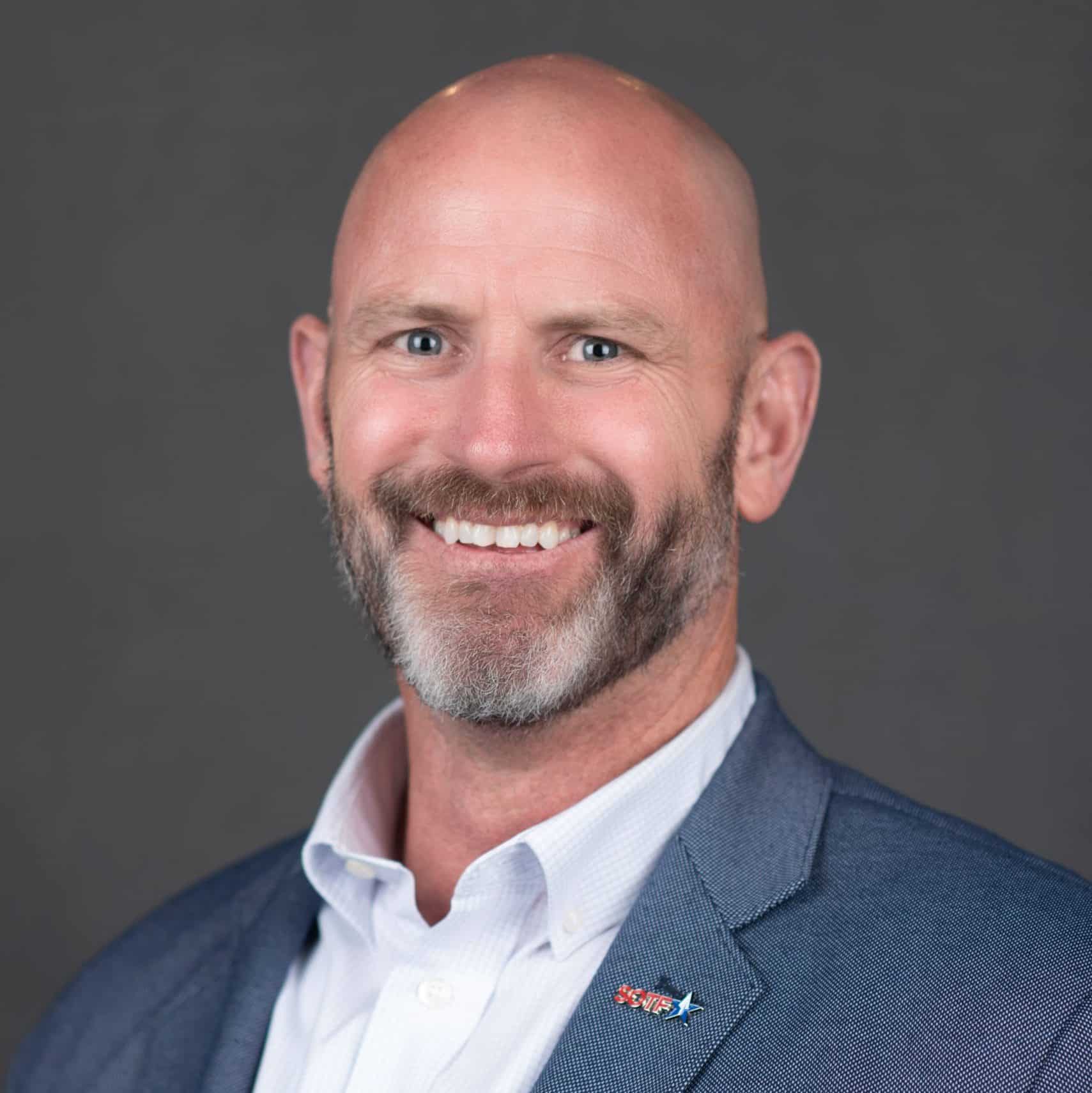
Joshua F Johnson
US Army Sergeant Major (Ret)
During my time, I served in every enlisted leadership position from front line supervisor to sergeant major. In every one of those positions, I learned something from those I led and those I followed.
5 LEADERSHIP PRINCIPLES
For over 31 years I served our nation as a Soldier. My first decade as a Military Policeman and the rest in the U.S. Army Special Forces. During my time I served in every enlisted leadership position from front line supervisor to Senior Enlisted Advisor, the Sergeant Major. In every one of those positions, I was both the leader and a subordinate, and I learned something from both those I led, and those who led me. While the lessons are innumerable and hard to distill, there are five principles that stick with me that I would like to share.
- Leadership matters
- Culture matters
- People matter
- Teams matter
- Growth matters
Leadership Matters
There are several definitions, but I would like to share what the Army taught me about leadership.
ADP 6-22
Army Leadership and the Profession
“The activity of influencing people by providing purpose, direction, and motivation to accomplish the mission and improve the organization.”
I first memorized this in 1993 while I studied for my Sergeant’s oral board, part of the promotion requirements to become a Leader in the Army. These words have shaped who I have become and are the foundation of what I want others to know. Leadership is influence, purpose, motivation, direction, accomplishment, and improvement. Hopefully, the days of “because I said so” leadership are gone or at least, dying. Employees want to know two basic things, why and why me? It is easy to think of the why in terms of profits, but to the individual, profits are not that important. A good leader should be explaining why an organization is moving in a direction by informing their people of the bigger picture. Increased sales mean bigger markets, bigger markets mean a larger workforce, and that means growth opportunities for existing staff. As leaders are developing their employees, they should always be looking at how they want to grow in their careers and how you can develop them to achieve their goals. We all know that people do not quit jobs, they quit bosses that do not provide leadership.
Culture Matters
Why do Soldiers re-enlist knowing what their ultimate job is? During my time in the Army, I have been to some of the most dangerous places on earth, yet I continued to re-enlist for over three decades. I stayed because I was immersed in a culture that promoted individual development to meet unit requirements, not the other way around. As Green Berets we knew that every ounce of time and money spent developing our Soldiers meant a higher chance of success on the battlefield. Improvement of the organization was more than a slogan; it was our culture. How many companies publish their culture but fail to promote it? You will never be able to sustain an organization that confuses profits for culture.
People Matter
No amount of automation can replace your most basic and important asset, human capital. Your people are who sell, produce, and ship your product. Your product is the result of your people, not the reason for having them. Early in my career I learned that my people worked harder for me only when I worked harder for them. I had responsibilities up the chain of command, but my people were always my priority. Mission accomplishment is far easier with a motivated, and therefore dedicated, workforce. Get to know your people, find out what they want out of life and then help them get there. Use your mission as a development tool for your people and they will be far more willing to go the extra mile.
Teams Matter
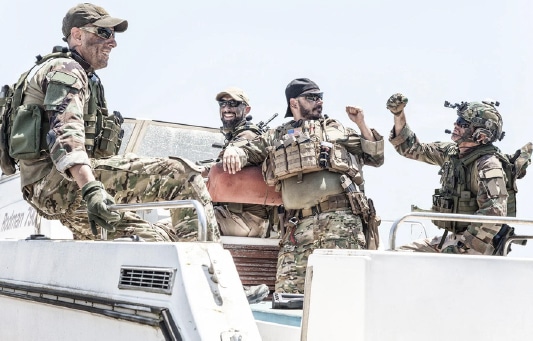
A Special Forces team is designed to be able to operate independent of centralized command structure. While assets and support are given from the top down, most often the mission is a bottom-up fed event. Those Green Berets know what is happening on the ground and know how to best address it. They also know that their bottom-up missions are nested within the Commander’s intent. Commanders and their staff are there to prioritize, allocate assets, and support the teams who are ultimately the ones who will meet the overall objectives of the command.
It was easy to start to think that my missions were the most important. When I was not prioritized the assets I wanted, I started becoming resentful. A good commander sat me down and explained that while I knew my area of operations best, he and his staff had the bigger picture and could see when and where my mission best made the impact for which I was working. I quickly learned to communicate both vertically and horizontally to see how I could give and receive mutual support for the overall objective. My team was important, but to the bigger picture.
Growth Matters
On average, a Special Forces Team Sergeant hold that position for two years. They are then promoted to manage multiple teams in ever growing numbers. There is nothing worse than overseeing your former team from a higher position and having them become your biggest problem because you failed to develop someone to replace you. You just created your own headache. Change is the constant and you are responsible to manage it. Developing your people to assume bigger roles and responsibilities should always be your number one priority. Eventually they will move on and if they are unsuccessful, it is because you did not develop them. Leaders Improve the organization by developing tomorrow’s leaders today to meet the next demands.
Leaders who focus solely on profits, at the expense of their people, fail to understand what leadership truly is. Provide purpose, be a motivator, give direction and you will see that mission accomplishment is far easier than you thought, and your organization will continue to improve.